Dr. Stephen Hoard is a cosmetic dentist in New Bern, North Carolina. Dr. Hoard offers tooth bonding to correct minor cosmetic dental concerns such as spaces and gaps between teeth, chipped teeth, and stained teeth. Tooth bonding is a fast, affordable treatment that is usually completed in a single visit to our New Bern dentist office.
What is Dental Bonding?
Dental bonding is a procedure in which a tooth-colored resin material (a durable plastic material) is applied and hardened with a special UV light. The material is bonded to the tooth to restore or improve your smile aesthetics.
Is Tooth Bonding Right For Me?
Dental bonding is a quick and affordable cosmetic dentistry treatment that can:
- Repair chipped or cracked teeth
- Improve the appearance of discolored teeth
- Close spaces between teeth
- Make teeth look longer
- Improve the shape of teeth
The Teeth Bonding Procedure in New Bern, NC
Minimal tooth preparation is needed for a dental bonding procedure. Anesthesia is often not necessary unless the bonding is being used to fill a decayed tooth. Dr. Hoard will select a composite resin color that will closely match the color of your natural teeth for virtually unnoticeable treatment.
The procedure begins with a thorough dental exam and cleaning. The next step is to prepare your tooth. The surface of your tooth will be slightly abraded, and a conditioning liquid will be applied, to help the bonding resin adhere to the tooth. The tooth-colored, puttylike resin is then applied, molded, and smoothed to the desired shape.
The material is hardened by an ultraviolet light or dental laser. Once the composite has cured, Dr. Hoard will trim, shape, and polish it to match the sheen of the rest of the tooth surface.
A dental bonding procedure is usually completed in a single visit and take less than an hour to complete.
Dental Bonding FAQs
Read answers to common questions about teeth bonding in New Bern, NC:
Do teeth that have been bonded require special care?
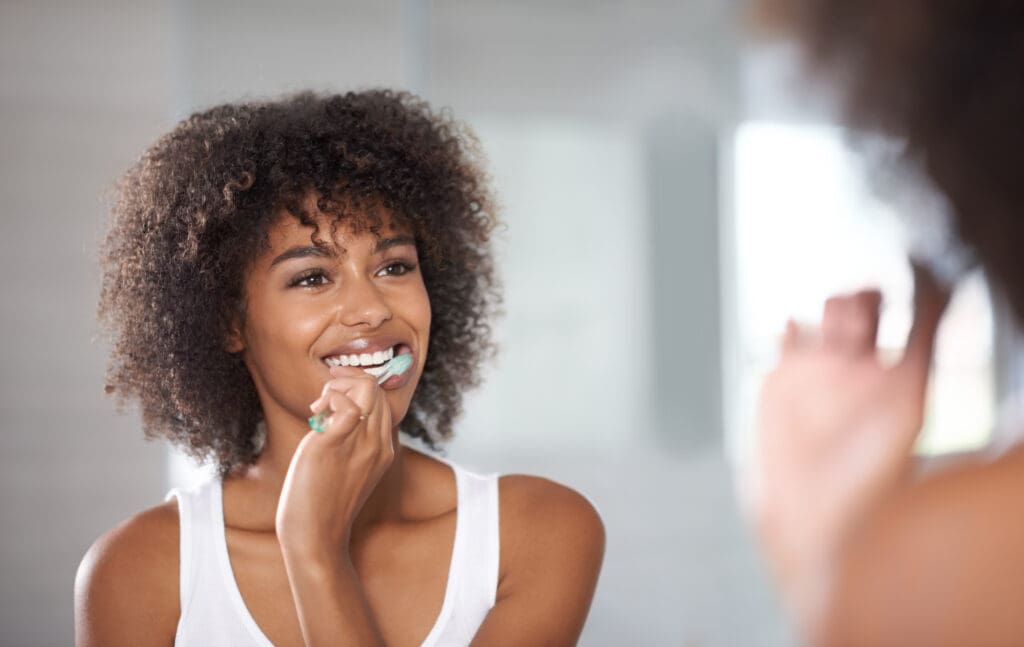
Not really! Taking care of bonded teeth is easy. Just follow these simple steps to keep them looking great and staying healthy:
- Brush your teeth at least twice a day with a soft-bristled toothbrush and fluoride toothpaste.
- Floss daily to remove plaque and food particles from between your teeth and around the bonded areas.
- Visit our dentist regularly for checkups and cleanings to make sure everything stays in good shape.
How long does bonding material last?
Typically, bonding material lasts from 3 to about 10 years before it needs to be touched up or replaced. This can depend on the amount of bonding was used, and your oral habits. If you want a more long-lasting solution, Dr. Hoard may recommend porcelain veneers or dental crowns to reinforce your tooth and restore proper function for a longer period of time.
Is tooth bonding permanent?
No. Tooth bonding is reversible and repairable. Bonding material can chip and crack. It is important to avoid habits such as biting fingernails, chewing on pens, ice, or other hard food objects, or using your bonded teeth as an opener. Call our dentist if you notice any sharp edges on a bonded tooth, any chips or pieces falling off, or if your tooth feels odd when you bite down.