
Do you need to replace a cap or have a tooth needing a crown? Contact New Bern, NC, dentist Dr. Stephen Hoard. He can create a custom dental crown that looks and feels like a natural tooth. Dr. Hoard uses various materials, including porcelain, for a highly aesthetic, natural-looking restoration. Dental crowns are a restorative dentistry procedure in New Bern, NC.
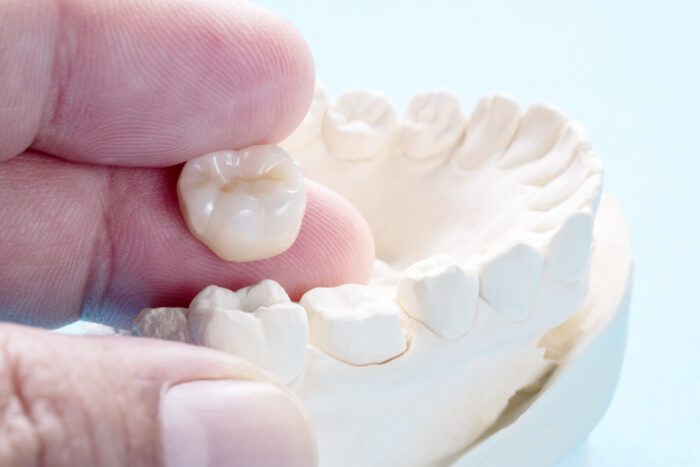
A dental crown is a tooth-shaped cover, or cap, placed over a decayed, cracked, or damaged tooth. Dr. Hoard also uses dental crowns in cosmetic dentistry treatments to improve the appearance of teeth that are misshapen, misaligned, or discolored.
Why Do I Need a Dental Crown?
There are many reasons why you may need a dental crown. Dental crowns can:
- Cover and protect large fillings from breaking
- Cap off single dental implants
- Secure dental bridges
- Add structure to worn teeth
- Protect damaged teeth
Whether you have a damaged tooth or need to replace permanent teeth, crowns can help. Tooth crowns can restore the appearance and function of your teeth.
Types of Dental Crowns
Crowns can use different materials to cover and protect teeth, from resins to metals. Common dental crown materials include:
- Metal: Gold or metal alloy crowns are the traditional dental crown material. While metal is strong, others can easily notice it in the mouth, even if the crowns cover the molars.
- Porcelain: These crowns are color-matched for a result that blends in with adjacent teeth. Porcelain dental crowns are a durable option for patients who want a natural look.
- Ceramic: Like porcelain crowns, ceramic crowns can match your natural tooth color. Same-day dental crowns usually use ceramic. Ceramic materials look natural but may not last as long as porcelain options.
- Porcelain Fused to Metal: PFM crowns use metal covered by porcelain to provide strength and aesthetics. However, if you experience gum recession, the metal portion of the crown can show.
Treatment with Dental Crowns in New Bern, NC
You can receive a dental crown in several dental office visits. There are several steps involved in receiving a dental crown:
Initial Visit
Your first visit with Dr. Hoard will thoroughly examine your teeth, gums, jaw joints, and other support structures. He will use diagnostic X-rays to look for hidden problems that could impact your smile’s look and health. He will recommend treatment for problems like gum disease or tooth decay.
Then, he will take dental molds or impressions of your teeth. Dr. Hoard will inform you of the various options you have for dental crowns and help you make the best choice.
Tooth Preparation
Once the treatment plan is finalized, Dr. Hoard will remove a small amount of the natural tooth structure. This preparation allows the dental crown to comfortably and securely over your tooth. We will place a temporary tooth cap over the tooth while the final restoration is made at the dental laboratory.
Final Restoration
In about 2 to 3 weeks, you will return to our New Bern dentist’s office. At this visit, Dr. Hoard will remove your temporary crown. He will check the color and shape of your crown. Then, Dr. Hoard will cement the tooth crown in place for a stable and permanent fit. Finally, he will polish the crown for a natural shine.
Dental Crowns FAQs
We welcome you to learn more about dental crown treatment in our New Bern, NC, office. Here, we will answer these common questions about tooth crowns:
What is the cost of a dental crown?
The cost of a tooth crown depends on the material used, the location of the tooth, and the patient’s specific condition. Before your treatment begins, we will complete a full review of the procedure, including the dental crown cost. Dr. Hoard’s office staff will also assist you with paperwork and billing to maximize dental insurance benefits.
Is the dental crown procedure painful?
Dr. Hoard will ensure you are comfortable and relaxed during your dental crown procedure. There is little or no pain associated with the procedure, though there may be some mild soreness when we prepare the teeth for the restoration. Dr. Hoard will discuss specifics during the treatment planning phase.
What should I do if I have a broken crown?
If you have a broken crown, please contact our New Bern, NC, dentist’s office for an appointment with Dr. Hoard. We try to see dental emergency patients on the same day whenever possible.
How long do dental crowns last?
Dental crowns typically last for around 5 to 15 years. Regularly visiting the dentist and following dental hygiene instructions can help make your crowns last longer.
Can I get a cavity under a crown?
Yes. Cavities can form under tooth crowns. Plaque, a bacterial film, can collect in the tiny gap between your tooth and the crown. As harmful bacteria build, they can form a cavity in your natural tooth.
Regular check-ups with the dentist can help identify any potential problems before they become serious. You should brush twice a day with fluoride toothpaste and floss regularly. This will help reduce the risk of cavities forming under crowns.
Get a Dental Crown Today
Support the strength and health of your teeth with dental crowns. Call for treatment with dental crowns in New Bern, NC, at (252) 507-0373. Feel free to schedule a dental appointment with Dr. Hoard online.